
A second chance at the result you wanted
A hair transplant is a big decision. Getting a poor result after spending time, effort and money can be very disheartening.
At Elegant Clinic we understand both the physical and emotional stress of a failed hair transplant. Our corrective treatment is planned around what went wrong and what can realistically be improved — to restore your hair and your confidence.
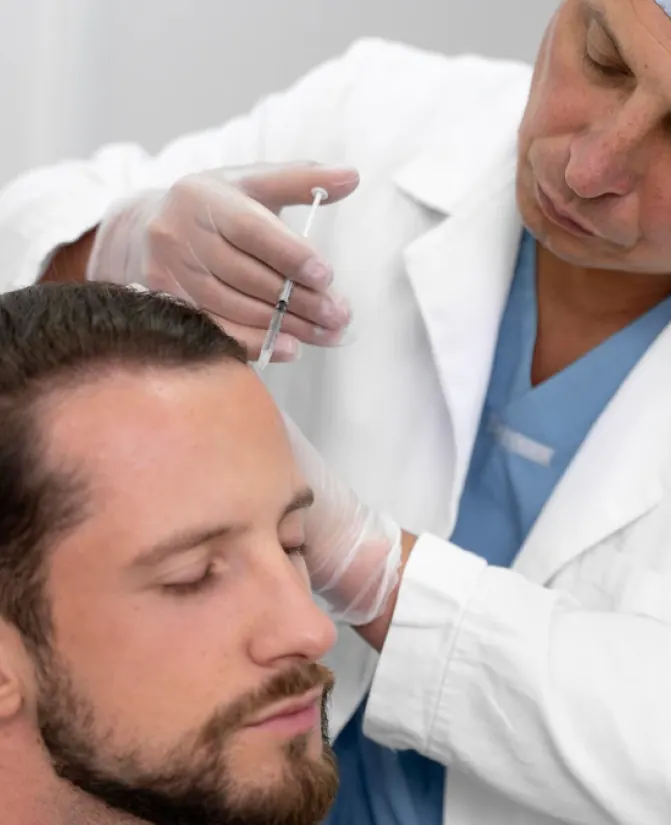
Why a hair transplant may fail
Wrong hairline design
A hairline that is too low, too high, too straight or does not suit the face.
Low density
Grafts placed too far apart, giving a see-through look.
Unsafe donor extraction
Grafts taken from outside the safe zone, which may fall out later or thin the donor area.
Wrong angle or direction
Hair growing in an unnatural direction that is hard to style.
Visible scarring
Scars from strip surgery or over-harvesting of the donor area.
Inexperienced team
Poor graft handling that reduces how many grafts survive and grow.
How we repair a failed transplant
A corrective surgery is more challenging than a first transplant because of a reduced donor area, poor earlier design or visible scars. That is why careful planning matters.
- Adding density to thin, see-through areas
- Redesigning the hairline so it looks soft and natural
- Removing or re-angling badly placed grafts where needed
- Covering scars in the donor area with FUE grafts
- Using body hair when the scalp donor area is not enough
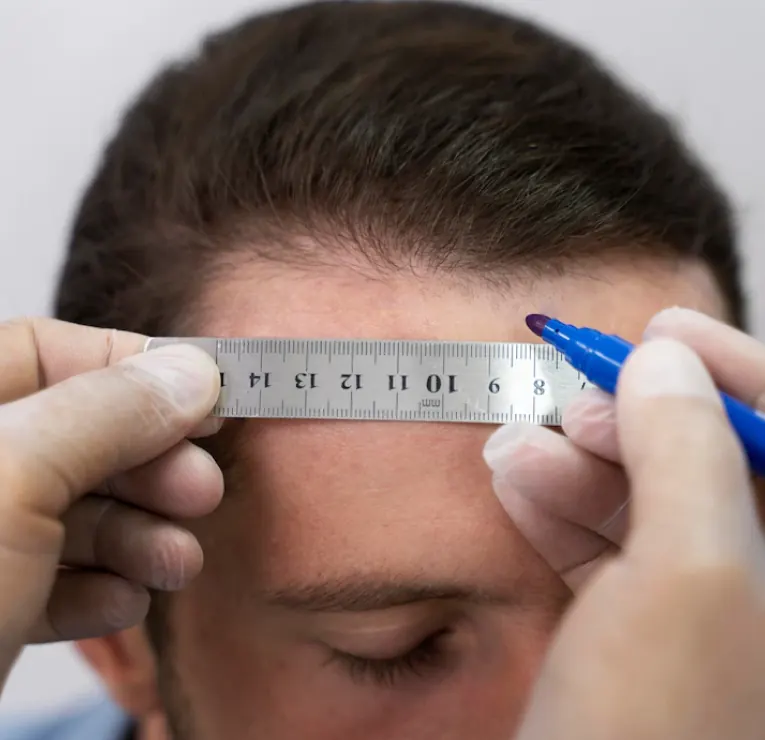
Unhappy with your earlier transplant?
Share your photos with us on WhatsApp or book a consultation — we will tell you honestly what can be improved.
Hair transplant repair — FAQs
Why do hair transplants fail?
Common reasons include an unnatural hairline design, low density, grafts taken from outside the safe donor zone, wrong angle or direction of implantation, poor graft handling and inexperienced teams.
Can a failed hair transplant be corrected?
In most cases, yes. Depending on the problem, a corrective procedure can add density, soften or redesign the hairline, remove badly placed grafts or cover scars.
Is a repair surgery more difficult?
Yes. The donor area may already be reduced or scarred, so every graft must be planned carefully. Body hair may also be used if the scalp donor is not enough.
How soon can I get a repair after my first transplant?
Usually it is best to wait until the first transplant has fully grown — about 9 to 12 months — so the final result can be judged properly. Your doctor will advise you.
What should I bring to the consultation?
Bring photos from before and after your earlier transplant and any details you have about it, such as the number of grafts and technique used.